
Abu Dhabi (December 16 2025) — The Indian Premier League (IPL) 2026 player auction started this Tuesday in the Etihad Arena located in Abu Dhabi, drawing widespread interest from players, teams and supporters as teams seek to build their teams in the lead-up to the season. The auction started at 2:30 pm IST, and will be live streamed on the top sports networks.
Auction Structure, Venue, and Timing
It is the IPL 2026 mini-auction is taking place on the Etihad Arena, with 10 franchises in the auction. There are seventy-seven squad spots are open to bid on, sourced from a shortlist comprised of 350 players, including international and domestic talent. Auctions operate in a mini-auction style, without the recourse to Right To Match (RTM) cards, requiring teams to use the direct auction to cover roster spots.
Live coverage of telecasts is offered through the Star Sports Network, while streaming on digital media is accessible through JioHotstar. JioHotstar platform. Auctions and other broadcast channels have led to an increased engagement of cricket fans from across India as well as across the globe.
Budgets for the Team and Slots Available
Franchise strategies have been formed heavily by budgets left after the release and retention period. For instance, the Kolkata Knight Riders (KKR) start the auction with the biggest prize in the auction of Rs64.3 crore, and with 13 slots available which gives them a lot of freedom to hunt for the top players. In addition to KKR and they are Chennai Super Kings (CSK) have Rs43.4 crore, with nine slots available to fill. The Sunrisers of Hyderabad (SRH), Lucknow Super Giants (LSG), and Delhi Capitals (DC) also participated in the auction with huge budgets that range between Rs25.5 millions and up Rs21.8 crore.
On the other side on the scale, Mumbai Indians (MI) have only a small amount of money left only Rs2.75 crore and have five slots available and are unable to acquire high-end talent. Rajasthan Royals (RR), Royal Challengers Bengaluru (RCB), Punjab Kings (PBKS) and Gujarat Titans (GT) each have mid-range budgets, and are expected to concentrate on a specific selection of players to address particular needs of the squad.
Early Bidding and Players Not Sold
When the auction began and the bids began to come in, franchises were selective with their the first bids, deciding to hold off on specific players, and to monitor their the strategies of competitors. There were a number of uncapped players and lesser-known players were left unclaimed during the first round as teams waited for the most crucial matches in their respective categories. Particularly, Indian batsmen including Prithvi Shaw and Devon Conway went unsold at their prices of base during the initial stages.
Delhi Capitals were among the first teams to announce a confirmed purchase, signing South African batting all-rounder David Miller at a base price of Rs 2 crore. This first transaction offered DC with an option to finish in the middle of the order as they sought balance in the batting depth as well as bowling support.
High-Profile Bidding Wars Ignite
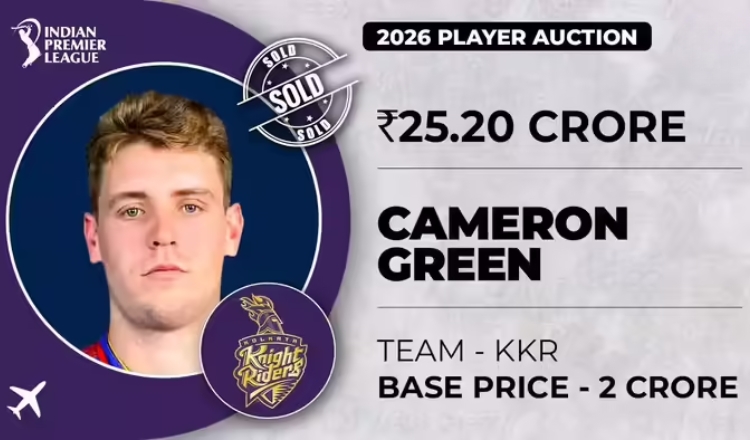
The focus during the lunchtime session swiftly moved to marquee names including Australian the all-rounder Cameron Green at the centre of one of the most intense bidding contests. Green was the subject of a lot of interest from franchises such as KKR and CSK which led to prolonged bidding, which reflected the value of a player with dual roles capable of generating a significant impact both with the ball and bat as well in T20 formats.
Green’s appearance on the auction list has attracted worldwide media attention, and has accelerated the auction’s early stages and analysts pointing out Green’s appeal being one of the top sought-after talents of the pool of players in 2026. Others with a high profile, such as the English’s Liam Livingstone, New Zealand players, and seasoned International stars are also predicted to be major potential franchise targets as the auction proceeds.
Strategies for Franchises’ Strategic Approaches
Strategies for franchises varied based on the remaining budgets, team requirements and playing philosophy. Teams with bigger budgets were expected to lead aggressive bidding on overseas all-rounders and established T20 players who could play different tasks. These players are typically coveted in mini auctions where the flexibility of the squad and balance are given more importance.
However, teams with less budgets were expected to focus on identifying value players from the domestic talent pool and less expensive international players that can fill useful roles or specific abilities. This strategy is especially relevant to franchises like MI and PBKS which are financially constrained and require a careful selection process to ensure that core skills are covered without committing too much.
The Talent Pool in the United States and emerging players
The auction pool is a mix of established international stars, veteran domestic veterans, and new potential players. Out of the 350 players who have been shortlisted the majority are Indian domestic talent. There are the 240 Indian players vying for a chance, along with 110 players from overseas. This creates the conditions for a bid auction where franchises need to balance the immediate needs of performance with the long-term development considerations.
The analysts have pointed out how teams are especially attuned to players who possess specific T20 capabilities, including striking power, bowling death over ability and middle-order finishing skills. These qualities are considered crucial in the highly competitive world in franchise cricket.
The tactical impact of both Retained and Released Lists
The auction pool was greatly influenced by the retention and release choices taken by franchises prior to the auction. CSK’s strategic release of big-name names like Ravindra Jadeja, and Sam Curran created notable gaps which the team is hoping to fill by securing bids in the auction. The KKR’s decision to release a number of prominent players has been taken as a plan to restructure its squad and explore new options in 2026’s season.
Delhi Capitals and Rajasthan Royals have made strategic moves during the time of their retention, which retained their core strengths while optimizing the budget they had. These decisions define their bidding strategies during auction time in which each team is aiming for specific skills that will complement their core strengths.
The Auction Dynamic as Bidding continues
As the auction moves into its final phases, the all eyes are on star talents that are being sought by multiple franchises, specifically players who can alter the outcome of a match as all-round contributors. The intensity of the bidding process in the case of big names revealed the dynamism of the auction as franchises have been able to spend significant amounts of their budgets to acquire key players.
The result of these bidding contests will determine the composition of IPL 2026 teams and will determine team tactics when they begin their the preseason preparations. With dramatic headline chase scenarios as well as the strategic allocation of money on the table The auction will continue to create excitement for both the teams and fans.