
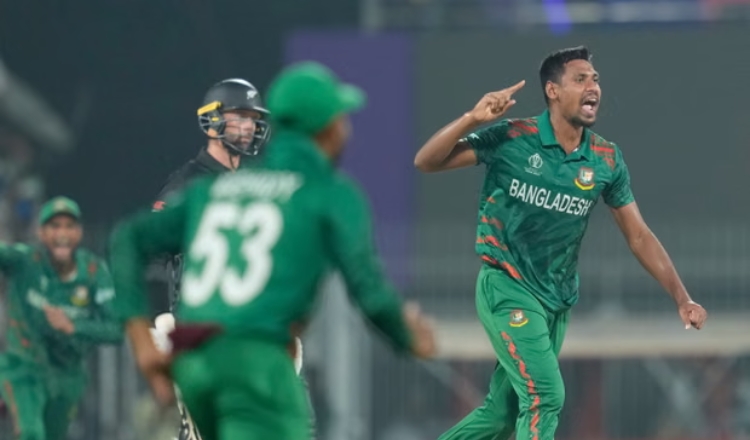
Dhaka/New Delhi Overview of the Withdrawal The decision – Bangladesh has announced in writing it will not take part in its scheduled games at India in the ICC Men’s Twenty20 World Cup 2026. The decision was based on serious security issues arising from increasing tensions between its neighbor. Bangladesh Cricket Board (BCB) Bangladesh Cricket Board (BCB) communicated its decision to the International Cricket Council (ICC) in a request that Bangladesh’s group-stage matches be moved to neutral venues, including Sri Lanka proposed as the preferred option. The ICC hasn’t yet replied in public to this formal demand.
Textual Description of T20 World Cup Venue and Fixtures
The ICC Men’s T20 World Cup 2026 is hosted jointly by India and Sri Lanka, with matches scheduled for February 7 and March 8. Bangladesh’s national squad was scheduled to play a number of group stage matches in Indian cities such as Kolkata in addition to Mumbai. These matches are the part of Group C which includes Bangladesh is set to play with West Indies, England, Italy and Nepal and the first game with West Indies slated to take place in Kolkata.
Government and Cricket Board Position on Security
In an official statement that was released by the Bangladesh Cricket Board explained it reached its decision based on an “thorough analysis of the current circumstances” and was based on recommendations by the current Bangladesh government and the Bangladesh Cricket Board, both of which concluded the security situation did not ensure the security and well-being of the players while on the ground in India. The BCB stressed that the lack of security that was guaranteed for the players and their support staff was a factor in its decision to not travel in the current circumstances.
Events that triggered the decision: Mustafizur Rahman Controversy
One of the major developments that influenced Bangladesh’s position was the removal from Bangladeshi quick bowler Mustafizur Rahman from his contract with the Indian Premier League (IPL) franchise Kolkata Knight Riders (KKR). Rahman was acquired at a substantial cost during the latest IPL auction. However, despite clear instructions by the Board of Control for Cricket in India (BCCI), KKR ended his contract due to public pressures and controversy. The decision was widely seen in Bangladesh as an attempt to undermine the dignity of its players and security, triggering more resentments from cricket officials in Dhaka.
Official Government Statements and Diplomatic Overtones
the sports advisor, Asif Nazrul, publicly condemned the IPL issue and the wider situation of the strained Indo-Bangladesh relationship in a statement that said if the Bangladeshi player is not able to safely play in India even though he was contracted, the entire team is not required to be a part of the team in this year’s World Cup. Nazrul as well as other officials cited more general bilateral tensions, such as tensions between the two countries and fears over violent communal conflicts in Bangladesh as the reason behind the decision.
Broader Political Strains between Bangladesh as well as India
Relationships among Bangladesh as well as India have been subject to significant tension in the past few months. The most significant incident was the lynching and murder of an Hindu industrial worker from Bangladesh’s Mymensingh district that sparked protests by minority groups as well as worsened the perceptions in India. A further strain on diplomatic relations was the result of the exile of the former Bangladeshi premier Sheikh Hasina to New Delhi amid domestic political turmoil, adding to the complexity of the bilateral relationship and public opinion.
Formal Demand for Venue Change to ICC Request for Venue Relocation
BCB has submitted a formal request to the ICC for a venue change. BCB has requested in writing the ICC to allow the relocation for all Bangladesh’s World Cup matches from India to a neutral venue in Sri Lanka, including Sri Lanka stated as the preferred option. If the ICC accepts this request this would require significant logistical changes, such as the scheduling, venue allocation broadcast arrangements, as well as the coordination of Bangladesh’s opponents’ travel arrangements at the stage of group play.
Reaction from Cricket Authorities
Officials from the BCCI have reacted to the idea with cautiousness. Sources from the Indian cricket board have stated that any modifications of this World Cup schedule as challenging with the complexity that come with changing fixtures at in short notice due to the pre-existing logistical arrangements and commitments to teams, broadcasters and hosts. A quick public approval of the request for relocation by the Indian cricket board has not been forthcoming.
Impacts on the structure of the tournament
If the ICC decide to move Bangladesh’s fixtures to another location, tournament organisers have to consider changing the calendar of matches to accommodate the new schedule without disadvantageing teams or compromising the competitive integrity. Group stage matches scheduled for Indian venues will require new arrangements for hosting with Sri Lanka or another neutral place that is able to meet World Cup standards, with implications for ticketing, fan arrangements and operational resources.
Responses from Stakeholders and Future Outlook
Stakeholders in cricket, including the national boards and teams participating are monitoring developments closely, and are aware of the unique interplay between sports and geopolitics that are a part of this particular situation. The ICC’s final decision regarding the BCB’s request is likely to be announced in the coming days ahead, as cricket officials balance safety concerns alongside broader rules for tournament planning.
Scheduled Tournament Context and Opponents
Bangladesh’s lineup for the group stage is set to place it in the matches that are essential to progressing through the T20 World Cup. The teams that Bangladesh will play against – West Indies, England, Italy, and Nepal — are scheduled to participate in a format in which the outcome can determine who will qualify for the following Super Eight rounds. The change of venue may affect the preparations of all teams.
Continuously Monitoring Developments
While the ICC examines the official relocate request for international cricket, the organisations as well as fans and media are observing reactions and potential implications for future tournaments and bilateral cricketing relations within the region of subcontinent. The situation is highlighting the impact the diplomatic relationship has on sports schedules and participation.