
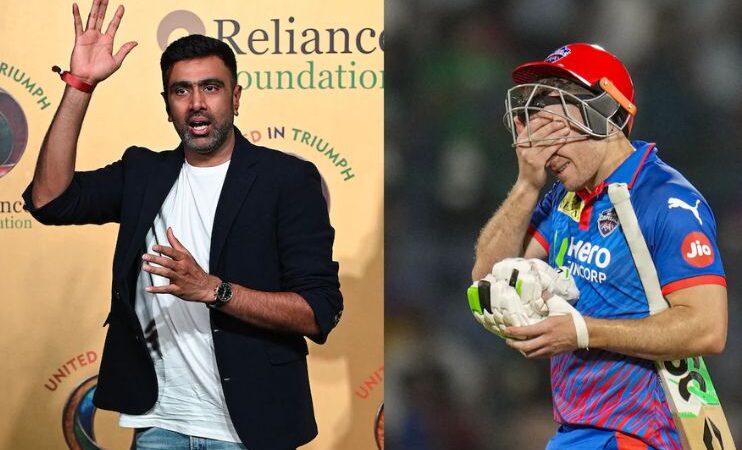
Dramatic Finish Ends in Heartbreak for Delhi Capitals
A thrilling game in the Indian Premier League 2026 season between Delhi Capitals and Gujarat Titans concluded in dramatic fashion with Delhi losing by only one run in an extremely scoring match. The game, which contained all the elements of a great last-over match and has sparked heated discussion across the world of cricket because of a crucial decision that was made in the last minutes.
In pursuit of a total of over 200 run, Delhi Capitals were within close to winning at the end of their final innings. With only two runs needed in the last two deliveries The match seemed to be in their hands before a brief moment of doubt changed the result.
The Crucial Moment: Miller’s ‘No-Single’ Call
The subject of debate at the center of this controversy is South African batter David Miller who was on the crease in the final over. In the final ball, Miller chose not to play a single, thus denying his partner an opportunity to change direction and equalize the score.
However, Miller opted to retain the strike, hoping to win the game by scoring an extra strike in the final strike. But the gamble didn’t pay off. He was unable to get the ball in the right direction with the final ball and a desperate effort to finish a run ended in a run-out and victory by one run to Gujarat Titans.
The decision has now been the most important moment in the game, with both experts and fans questioning the logic behind denying an easy hit in such a difficult circumstance.
Ravichandran Ashwin Reacts Strongly
A former India spinster Ravichandran Ashwin did not hold back when he reflected on the incident. He expressed shock and disbelief. Ashwin said Miller’s decision was quite puzzling and hard to comprehend.
Ashwin was skeptical about the rationale of denying a single even though only two runs were required from two balls. Ashwin pointed out that a single the single could have brought the score to a level, giving Delhi Capitals a chance to either win the final delivery or to push the game into an Super Over.
As per Ashwin, the idea of retaining strike been logical only if a boundary needed. In this instance, with no runs the most secure and rational choice was to choose the single option and lower the pressure.
“What Was the Thinking?” – Ashwin’s Key Question
Ashwin frequently emphasized his inability to comprehend the reasoning that drives the decision. Ashwin said that in these situations, match awareness and probabilities should determine a batter’s decision-making.
He also said it was possible that if the striker not scored with the final shot and the team still have a chance to draw the game. Instead, by not allowing the single shot, Miller was taking on a risk that was not necessary and left everything on one shot.
Ashwin said the conversation was “bonkers” and admitted that Ashwin was unable to “fathom” the reasoning, making clear how uncommon such an action is at a professional level.
Wider Reaction Across the Cricketing Community
The incident has generated a variety of reactions across the cricket community. While some have criticized Miller’s decisions and others have expressed their empathy, recognizing the tremendous stress that players are under in high stakes situations.
A number of former cricketers and analysts mentioned that T20 cricket usually requires instinctive choices, and even experienced players make mistakes when under stress. In spite of the criticism there has been acknowledgement of Miller’s effort in his efforts to bring Delhi close to winning by a lightning-fast, unbeaten run.
Match Context: A High-Scoring Thriller
Prior to the match, Gujarat Titans posted a remarkable score, driven by the vigor of their best order. Delhi Capitals responded with an aggressive chase, aided by a number of key players in their batting line-up, which kept the required run rate in control for the majority of the innings.
But a middle-order slowdown briefly turned the tide in Gujarat’s direction before Miller’s last attack brought Delhi back to life. Miller’s aggressive batting in last overs lowered the odds back to an acceptable goal during the last over which set the stage for the dramatic final.
Fine Margins Decide Outcome
The match was an example of how narrow the margins can be when it comes to T20 cricket. One single choice in the last moments was the deciding factor between winning and losing.
The decision to not take one ball, and then an opportunity missed in the final ball, not just resulted in the loss of Delhi Capitals the match but also led to some of the debated events of the current IPL season.
While discussions continue the issue will likely to be as a major topic and analysts will be analyzing the implications of the decision on match awareness and game management in high-pressure environments.