
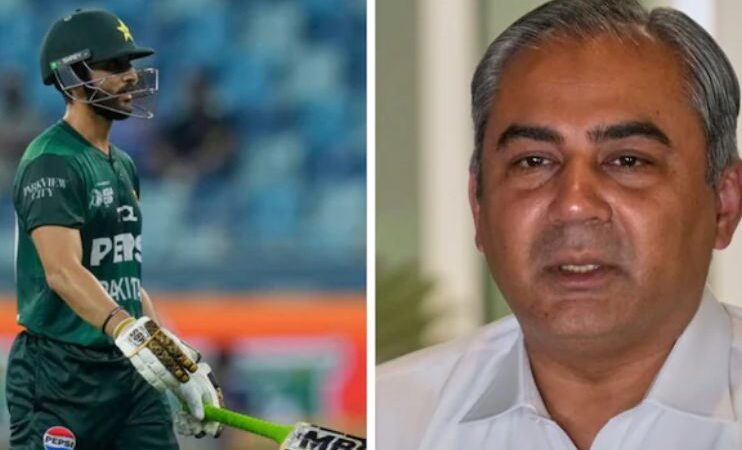
COLOMBO LAHORE/COLOMBO NEW DELHI, February. 9 –The highly anticipated Group A encounter between India and Pakistan at the ICC Men’s T20 World Cup 2026 is expected to begin as scheduled to take place on the 15th of February in Colombo after renewed talks with both the International Cricket Council (ICC) and the Pakistan Cricket Board (PCB) Sources have confirmed.
The game, which is seen as the marquee game of the tournament because of the commercial and historical significance of the Pakistan-India rivalrywas thrown into doubt earlier in the month when Pakistan’s government announced that it would be a boycotter of the match. The move prompted administrative and diplomatic interventions and prompted the world’s cricket ruling body to immediately engage the PCB officials to find clarity and resolve.
Standoff and Boycott Announcement
The confusion started with it was revealed that the Government of Pakistan, while applauding the participation of the national team at the T20 World Cup, simultaneously directed that the team will not play on to the pitch in the match against India on the 15th of February. The decision was announced in a post posted by the government on the social media account of the government account, which set off an uproar within cricket circles across the globe.
The decision of Pakistan was widely seen as a gesture that it was in support of its counterparts at the Bangladesh Cricket Board (BCB) after Bangladesh had previously refused to travel to India during World Cup matches, citing security concerns. This was an issue that eventually resulted in Scotland being substituted in the World Cup. The PCB’s decision to make use of “force majeure” — a feature that allows for the non-participation of a team in unforeseeable circumstances — brought up questions over the way in which the boycott would be interpreted within the rules of the ICC’s regulatory framework.
ICC’s Response and Legal Considerations
As a response to the boycott request in response to the boycott call, in response to the boycott request, ICC demanded a full explanation from the PCB and questioned whether the board had considered all possible avenues to end the conflict and comply with the tournament’s obligations. The ICC stressed that a force majeure invocation demands strict evidence standards and must comply to an agreement with the Membership Participation Agreement that binds boards of cricket to fulfill the scheduled schedule of matches.
Officials also warned about the potential for serious consequences should Pakistan didn’t adhere to the rules of the game. One of the issues discussed was possible punishments towards the PCB that could include fines and penalties for financial breaches, as well as the suspension or a denial of membershipwhich highlights the seriousness with that the ICC considers the respect for the tournament’s obligations.
Talks in Lahore: ICC and PCB Engagement
The latest developments came out following ICC delegations Imran Khwaja, and Mubashir Usmani arrived in Lahore on Sunday to begin dialogue with PCB the PCB’s leadership. The talks, which also included officials from The Bangladesh Cricket Board was focused on negotiating the best terms to permit Pakistan to fulfill its obligations in the tournament, while also trying to resolve any remaining logistical and political concerns.
The face-to-face meeting marked the shift from previous declarations made in public to more discrete talks behind closed doorswhich both the cricket officials and politicians were hoping would end the conflict. It was the inclusion of BCB in the talks indicated an overall global approach to resolving the issue which was rooted in security issues and diplomatic disputes.
Political Overlay and Pakistan Government’s Role
The involvement of Pakistan’s political leaders made the situation more complicated. Premier Shehbaz Sharif was said to be planning to make a final decision regarding the issue following consultations in consultation with PCB chairperson Mohsin Naqvi which highlights the overlapping between national policies.
The previous boycott announcement was widely seen as an act of symbolic support to help Bangladesh following their departure -which was also triggered by worries regarding safety arrangements within India. The ICC’s refusal to agree to Bangladesh’s demand to move matches away from India increased tensions and in turn influence Pakistan’s decision-making.
Commercial and Sporting Stakes
The India-Pakistan match is among the most lucrative matches in international cricket, with a significant television revenue as well as global viewers. The cancellation of the match would not just be a disappointment to millions of cricket fans but also resulted in a major commercial setback to the ICC and the co-hosting nations including Sri Lanka Cricket (SLC) who warned that the omission of the “marquee match” could cause massive financial losses as well as tarnish the image of the tournament.
Tickets sales for the game were stopped for a short time due to the debate, due to the uncertainty over the game’s future. The decision of the ICC to stop sales underscored the difficulties in coordinating the logistical arrangements while the governance conflict was not resolved.
On-Field Context: Group Matches and Team Status
Despite the impasse in the administration however, India both Pakistan have started their respective campaigns for the tournament. India started the T20 World Cup journey with an impressive win over USA. USA and Pakistan secured a victory over The Netherlands however, it was with criticism of their batting by former players.
Pakistan’s remaining group matches will be played in Colombo as well as Pallekele after their first game, which will allow for them to fully participate in the tournament in the event that the boycott issue is addressed in the nick of time.
Ongoing Uncertainty and Next Steps
While there is no consensus publically announced, insiders are suggesting there is a possibility that ICC as well as the PCB are close to an agreement and final confirmation is expected within the next few days. The cooperation between the cricket boards, aided by political involvement seems to have slowed some of the tensions that were previously brewing which has set the foundation for the match between India and Pakistan to take place in the World Cup schedule.
The officials of the tournament have not been declaring an official statement until the talks are over and a official announcement is likely to be made when both parties agree to the agreement reached in Lahore.